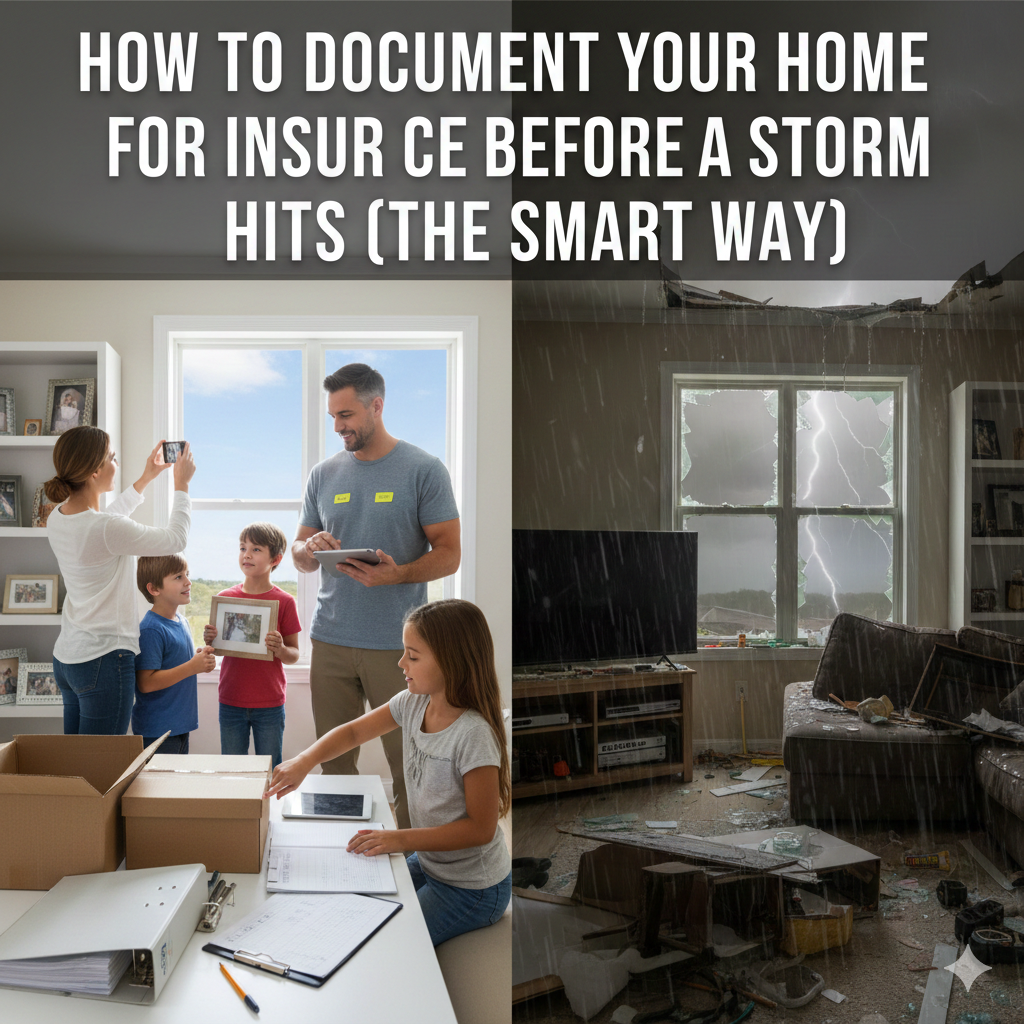
Florida Insurance Claims: Your Guide to Getting Paid
Florida Insurance Claims: Your Guide to Getting Paid - Blog Post Outline
I. Introduction
- Brief hook - start with a statistic or common problem related to Florida insurance claims (e.g., "Florida residents face a disproportionately high risk of property damage due to hurricanes and storms, but navigating insurance claims can feel like a battle.").
- Introduce the blog post's purpose: To provide a comprehensive guide to understanding and successfully filing Florida insurance claims.
- Briefly mention the common types of claims covered (hurricane, water damage, fire, sinkhole, etc.)
- Emphasize the importance of knowing your rights and the insurance company's responsibilities.
- Include a disclaimer: This post is for informational purposes only and not legal advice. Consult with a qualified professional for legal guidance.
II. Understanding Your Florida Insurance Policy
-
H2: Decoding Your Insurance Policy: What You Need to Know
- H3: Key Policy Terms Explained
- Deductible: What it is and how it affects your payout.
- Coverage Limits: Maximum amount the insurance company will pay.
- Exclusions: Specific events or damages not covered.
- Actual Cash Value (ACV) vs. Replacement Cost Value (RCV): What's the difference and how it impacts reimbursement.
- Additional Living Expenses (ALE)/Loss of Use: Coverage for temporary housing and related expenses.
- H3: Common Policy Endorsements in Florida
- Hurricane Coverage: Specific hurricane deductibles and coverage details.
- Flood Insurance: Understanding the separate flood insurance policy requirement (often through NFIP).
- Sinkhole Coverage: Requirements and limitations for sinkhole claims.
- Wind Mitigation Credits: How to lower your premiums by strengthening your home against wind damage.
- H3: Understanding Your Policy Declarations Page
- Where to find essential information like policy number, coverage dates, and coverage amounts.
- H3: Key Policy Terms Explained
-
H2: Keeping Your Policy Current and Accurate
- H3: Regularly Reviewing Your Coverage Needs
- Adjusting coverage amounts based on property value changes or renovations.
- Ensuring your policy reflects current building codes.
- H3: Notifying Your Insurer of Changes
- Updating your insurer about renovations, new additions, or significant changes in occupancy.
- The importance of transparency to avoid claim denials.
- H3: Regularly Reviewing Your Coverage Needs
III. The Claims Process: Step-by-Step
-
H2: Filing a Florida Insurance Claim: A Comprehensive Guide
- H3: Step 1: Protecting Your Property and Safety
- Prioritizing safety and preventing further damage.
- Documenting the damage with photos and videos before making any repairs.
- Making necessary temporary repairs to mitigate further damage (e.g., tarping a leaking roof).
- H3: Step 2: Notifying Your Insurance Company
- Contacting your insurance company as soon as possible.
- Providing accurate information about the event, date of loss, and damage.
- Keep a record of all communication with the insurance company.
- H3: Step 3: The Insurance Company's Investigation
- The role of the insurance adjuster: What they do and what to expect.
- Preparing for the adjuster's visit: Gathering documentation and preparing to answer questions.
- Independent Adjuster vs. Company Adjuster: Understanding the potential bias.
- H3: Step 4: Documenting and Substantiating Your Claim
- Creating a detailed inventory of damaged or lost items.
- Gathering supporting documentation: receipts, photos, videos, repair estimates.
- Obtaining multiple repair estimates from licensed contractors.
- H3: Step 5: Reviewing and Negotiating the Settlement Offer
- Understanding the components of the settlement offer.
- Identifying discrepancies or undervalued items in the offer.
- The art of negotiation: How to effectively communicate your concerns and present supporting evidence.
- Documenting all negotiation attempts.
- H3: Step 6: Receiving Payment and Completing Repairs
- Understanding the payment process.
- Ensuring repairs are completed according to the approved scope of work.
- Keeping detailed records of all repairs and expenses.
- H3: Step 1: Protecting Your Property and Safety
IV. Common Challenges and How to Overcome Them
-
H2: Navigating the Challenges: Common Issues in Florida Insurance Claims
- H3: Claim Denials: Understanding Why and What to Do
- Common reasons for claim denials (policy exclusions, pre-existing conditions, inadequate documentation).
- The importance of reviewing the denial letter carefully.
- Options for appealing a denied claim: Internal appeal process and alternative dispute resolution (ADR).
- H3: Underpaid Claims: Getting the Fair Value You Deserve
- Identifying areas where the claim may be undervalued (e.g., labor costs, materials, depreciation).
- Gathering additional evidence to support a higher settlement offer.
- Negotiating with the insurance company to reach a fair agreement.
- H3: Delays in Processing Claims: Holding the Insurance Company Accountable
- Understanding the insurance company's legal obligations to process claims in a timely manner.
- Documenting all communication and tracking the progress of the claim.
- Escalating the issue to a supervisor or filing a complaint with the Florida Department of Financial Services (DFS).
- H3: Dealing with Unresponsive Insurance Companies
- Documenting all attempts to contact the insurance company.
- Sending certified letters to ensure receipt of communication.
- Considering legal options if communication breaks down.
- H3: Public Adjusters vs. Attorneys: When to Seek Professional Help
- Understanding the roles and responsibilities of public adjusters and attorneys.
- When to consider hiring a public adjuster: complex claims, significant damage, difficulty navigating the process.
- When to consult with an attorney: denied claims, bad faith insurance practices, legal disputes.
- H3: Claim Denials: Understanding Why and What to Do
V. Resources and Legal Information
-
H2: Resources and Support for Florida Insurance Claimants
- H3: Florida Department of Financial Services (DFS)
- Information about filing complaints and accessing consumer resources.
- Links to relevant laws and regulations.
- H3: National Flood Insurance Program (NFIP)
- Information about flood insurance coverage and claim filing procedures.
- H3: Florida Justice Association (FJA)
- A professional organization of trial lawyers dedicated to protecting the rights of consumers.
- H3: Legal Aid Societies in Florida
- Providing free or low-cost legal assistance to eligible individuals and families.
- H3: Online Forums and Support Groups
- Connecting with other individuals who have experienced similar challenges.
- H3: Florida Department of Financial Services (DFS)
VI. Conclusion
- Recap the key takeaways from the blog post.
- Reinforce the importance of understanding your rights and being proactive in the claims process.
- Offer a final call to action: Encourage readers to consult with qualified professionals for personalized advice and assistance.
- Optional: End with a positive and hopeful statement about recovering from property damage.
VII. Optional Additions
- Infographics: Visual representations of the claims process or key policy terms.
- Checklists: To help readers track their progress and ensure they haven't missed any important steps.
- Case Studies: Illustrative examples of successful claims or common pitfalls to avoid.
- FAQ Section: Addressing common questions about Florida insurance claims.
- Interactive Elements: Quizzes or calculators to help readers assess their coverage needs.
This detailed outline provides a solid foundation for creating a comprehensive and helpful blog post about Florida insurance claims. Remember to write in a clear, concise, and easy-to-understand style, and to tailor the content to the specific needs and concerns of your target audience. Good luck!
Blog Post Outline: Florida Insurance Claims: Your Guide to Getting Paid
I. Introduction
- Hook: Start with a compelling statistic about property damage in Florida (e.g., frequency of hurricanes, percentage of homes affected by water damage).
- Briefly introduce the complexities of Florida insurance claims.
- Thesis statement: This guide will provide you with the knowledge and steps necessary to navigate the Florida insurance claim process and maximize your chances of getting paid fairly.
- Mention the potential difficulties in dealing with insurance companies.
II. Understanding Your Florida Insurance Policy
-
H2: Decoding Your Insurance Policy
- H3: Types of Policies: Homeowners, Flood, Windstorm, Condo
- Briefly explain the common types of insurance policies relevant to Florida property owners.
- Highlight the differences and specific coverages they offer.
- H3: Key Policy Terms You Need to Know
- Deductible: Explain different deductible types (e.g., percentage-based, flat rate).
- Coverage Limits: Explain how coverage limits work and the importance of adequate coverage.
- Exclusions: Provide examples of common exclusions (e.g., wear and tear, earth movement).
- Actual Cash Value (ACV) vs. Replacement Cost Value (RCV): Clarify the difference between the two and how they affect claim payouts.
- H3: Your Duty to Maintain Your Property
- Emphasize the policyholder's responsibility to maintain the property and prevent further damage.
- Explain how neglect can impact a claim.
- H3: Types of Policies: Homeowners, Flood, Windstorm, Condo
III. Documenting the Damage and Filing Your Claim
-
H2: Steps to Take Immediately After Damage
- H3: Safety First: Prioritizing Your Well-being
- Emphasize personal safety and securing the property.
- H3: Documenting the Damage Thoroughly
- Taking photos and videos: Best practices for capturing comprehensive visual evidence.
- Creating an inventory of damaged items: Detail the importance of accurate records.
- Preserving damaged items (if safe to do so): Explain the rationale behind this.
- H3: Reporting the Claim Promptly and Accurately
- Contacting your insurance company: Providing necessary information and obtaining a claim number.
- Filling out the claim form correctly: Avoiding common mistakes that can delay the process.
- Keeping a record of all communication with the insurance company.
- H3: Safety First: Prioritizing Your Well-being
IV. The Insurance Company's Investigation Process
-
H2: Navigating the Insurance Company's Response
- H3: The Insurance Adjuster's Role
- Explaining the adjuster's responsibilities and their potential biases.
- Preparing for the adjuster's inspection: Gathering documentation and asking relevant questions.
- H3: Independent Adjusters vs. Company Adjusters
- Briefly explain the difference.
- H3: Understanding the Scope of Loss
- What the scope of loss is and why it's important.
- H3: Requesting and Reviewing the Adjuster's Report
- The importance of obtaining a copy of the adjuster's report.
- How to identify discrepancies and inaccuracies in the report.
- H3: The Insurance Adjuster's Role
V. Estimating Your Damages and Negotiating with the Insurance Company
-
H2: Building Your Case for a Fair Settlement
- H3: Obtaining Independent Estimates from Contractors
- Finding qualified and reputable contractors.
- Getting multiple estimates to compare pricing and scope of work.
- H3: Understanding the Insurance Company's Estimate
- Comparing the insurance company's estimate with your contractor's estimates.
- Identifying any discrepancies or undervalued items.
- H3: Negotiation Strategies for a Higher Settlement
- Documenting all communication and agreements in writing.
- Presenting evidence to support your claim and challenge the insurance company's assessment.
- Being prepared to compromise, but knowing your bottom line.
- H3: Obtaining Independent Estimates from Contractors
VI. What to Do If Your Claim Is Denied or Underpaid
-
H2: Fighting for Your Rights
- H3: Understanding the Reasons for Denial or Underpayment
- Common reasons for claim denials in Florida (e.g., pre-existing conditions, exclusions).
- H3: The Appraisal Process: An Alternative Dispute Resolution
- Explaining how the appraisal process works and its benefits.
- Choosing a qualified and unbiased appraiser.
- H3: Filing a Complaint with the Florida Department of Financial Services
- Explaining the complaint process and its limitations.
- H3: Legal Options: Consulting with a Florida Insurance Attorney
- When to consider hiring an attorney: Complex claims, bad faith practices, significant underpayments or denials.
- What to look for in a qualified insurance attorney.
- H3: Understanding the Reasons for Denial or Underpayment
VII. Avoiding Common Mistakes and Maximizing Your Chances of Success
-
H2: Proactive Steps to Protect Your Claim
- H3: Document Everything: The Importance of Paperwork
- Reinforce the importance of keeping detailed records.
- H3: Don't Admit Fault or Speculate on the Cause of Damage
- Explain why it's important to be cautious with your statements.
- H3: Avoid Making Permanent Repairs Before the Insurance Company Inspects
- The importance of preserving evidence for the adjuster.
- H3: Seek Professional Help When Needed
- Reinforce the value of consulting with experts (contractors, public adjusters, attorneys).
- H3: Document Everything: The Importance of Paperwork
VIII. Conclusion
- Recap of key takeaways from the guide.
- Reiterate the importance of understanding your rights and being proactive in the claim process.
- Offer a call to action: Encourage readers to contact a qualified professional for assistance if they need help with their claim.
- Optional: Include a link to a helpful resource (e.g., the Florida Department of Financial Services website).